City Council to Impose New Zoning on NIC Land

Photo by Ashkan Forouzani on Unsplash

Coeur d’Alene city council members exercise power with well-intentioned political stunt.

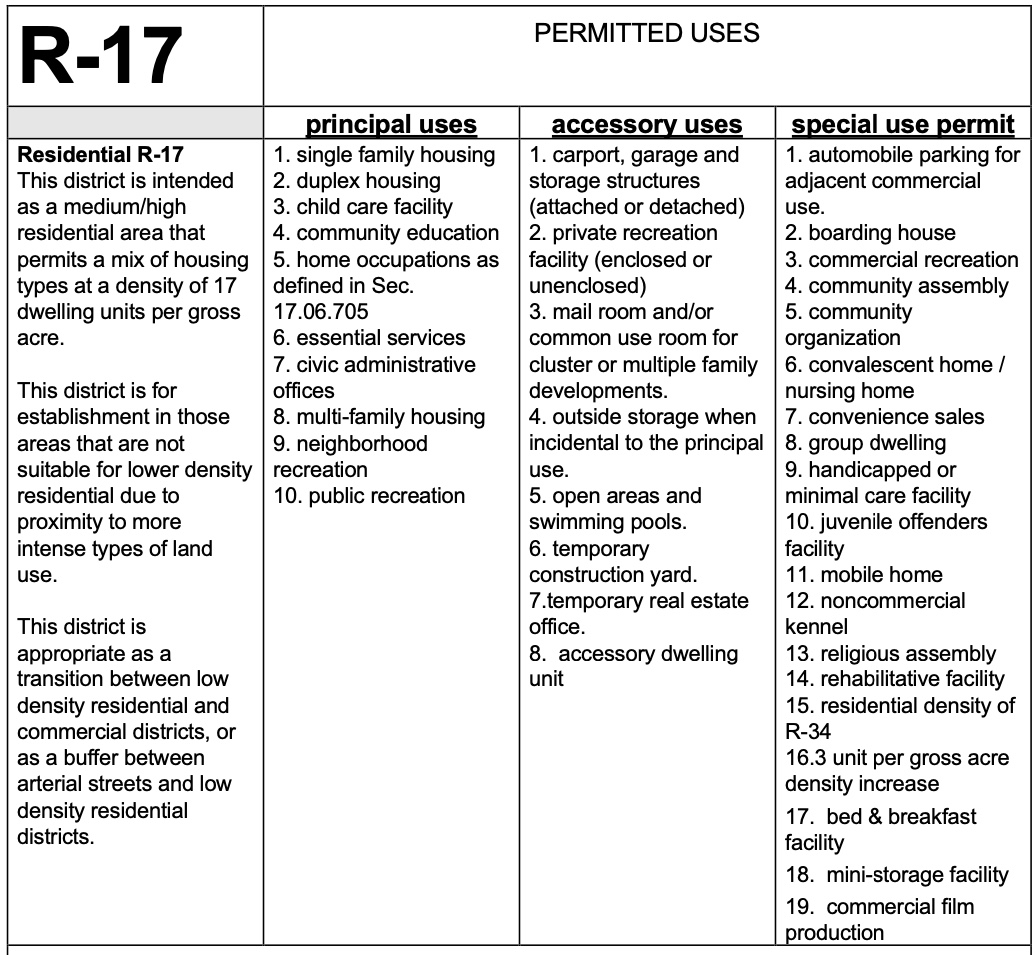
Normally, if a property owner wishes to change the zoning for their property they have to petition the city’s planning commission and ultimately the city council. Not tomorrow, much to the chagrin of state-elected officials and at least one NIC trustee, who voiced opposition at an August city council meeting. The council will vote on Tuesday, September 3, 2024, to impose a new zoning overlay on land owned by North Idaho College (NIC) in the form of a University District. The stated intention is to protect the land from private development and transformation of NIC into what some call a “Christian nationalist college.” The worries stem from the threatened loss of accreditation. However, “much of NIC’s main campus sits on a tract of land donated to Kootenai County by the Winton Lumber Company for the purpose of developing a public park, public hospital or public educational institution…. “The county conveyed the land to the North Idaho Junior College District in August 1941. The property is deed-restricted and must be used for public education or a public hospital. It cannot be used for commercial purposes.” In addition the the city’s recently updated comprehensive plan designates much if not all NIC land for civic use. Thirty-two of the 50+ acres, the heart of NIC, all land west of Hubbard, North of Lakeshore, and south of River is zoned R-17. R-17 zoning allowances are listed in the table below.

The proposed imposition risks legal challenges and brings additional pitfalls. NIC did not request any action. Is it legal? Perhaps the biggest concern is that the new District intensifies the land use. Changing the zoning from R-17 to U-District gives the landowner very broad guidelines, few restrictions, and minimizes influence citizens may have on future proposals. The following vague uses will be permitted by right: 

  • Business Supply Retail Sales 
  • Cell phone towers
  • Convenience Sales
  • Convenience Services
  • Faculty Housing

What does this mean? A Maverick on NIC’s campus? A hotel? A special use permit will allow construction of hotel(s)/motel(s) “when integral to Community Education.” A city that relies so heavily on tourism could easily justify the need for a hotel at NIC. Essex University located in Colchester, England, Britain’s first city, has an on-campus hotel run by university students. Maybe NIC will follow suit to train future hospitality leaders. Or, maybe retirees will again embrace university studies to live on the beautiful campus. It already happens across the country. 


At best, this is an example of one stakeholder attempting to protect an institution from polarizing political influences and cement the institution’s destiny. Perhaps they are following leadership from Kootenai Health, which gave up taxing authority to transition from a community to a non-profit hospital, simultaneously minimizing extreme political influence. Ulterior motives could be at play as council member Christie Wood floated the idea of working with [NIC] to create workforce housing. Why not let NIC determine what happens with its land? Ultimately, the timing is terrible. Accreditors will make a final visit to the college in October to reduce sanctions or revoke accreditation and require a teach-out. Ultimately, city council members will express a damning vote of no-confidence in NIC at a critical time and despite improvements in enrollment and governance.

November will bring new Trustees to NIC, governance will improve, and accreditation will remain in place. If so, will not this action have been an exercise in futility?
CDA Braces for Beer Bike

Three city council members (English, Evans, and Wood) approved the return of a “party bike” tour to Coeur d’Alene. Dan Gookin communicated with neighbors and vowed to remove the item from the consent calendar–a move which prompts discussion and an additional vote specific to this issue. 

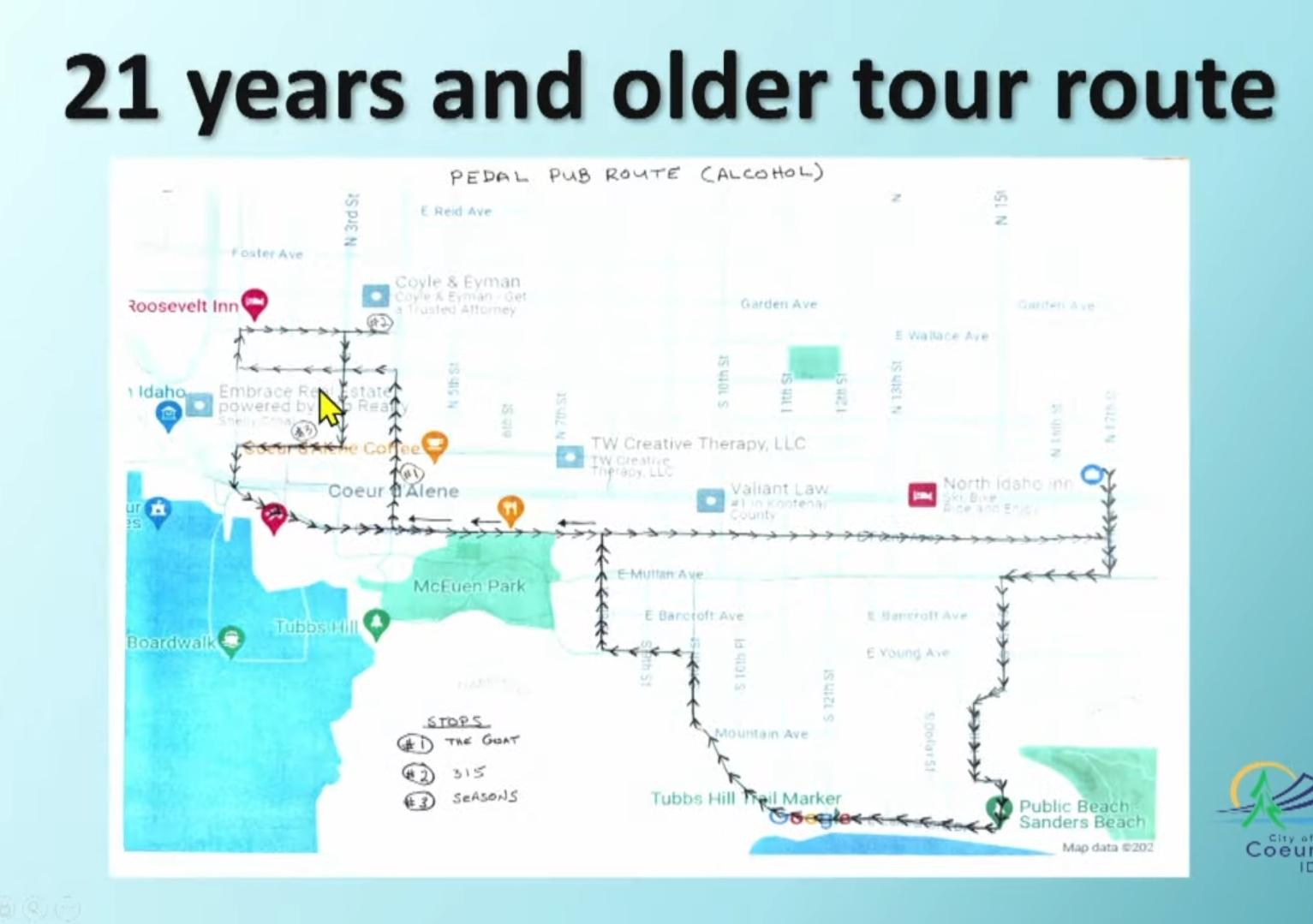
Gary Cooper, who operates a segway tour in the city proposed the pedal pub. His company will offer two different tours for 14 including a family-friendly scenic tour without alcohol or a 21+ BYOB tour. The dry tour includes stops at the Roosevelt Inn, Fort Sherman, and the Carousel. The 21+ tour is slated to traverse Coeur d’Alene’s historic and posh Sander’s beach neighborhood on Front Ave and Lakeshore Drive. The party bike tours are not new to Coeur d’Alene but received negative news coverage in other cities here, here, and here. The councilors who gave initial approval cited “city code” that paved the way for the pedal pub. The city council will vote on the beer bike tours on Tuesday, June 18th, at 6:00 pm in the city library’s community room.

You can buy your pedal pub bike. Buy here.

Residence Inn Coming to NW Blvd

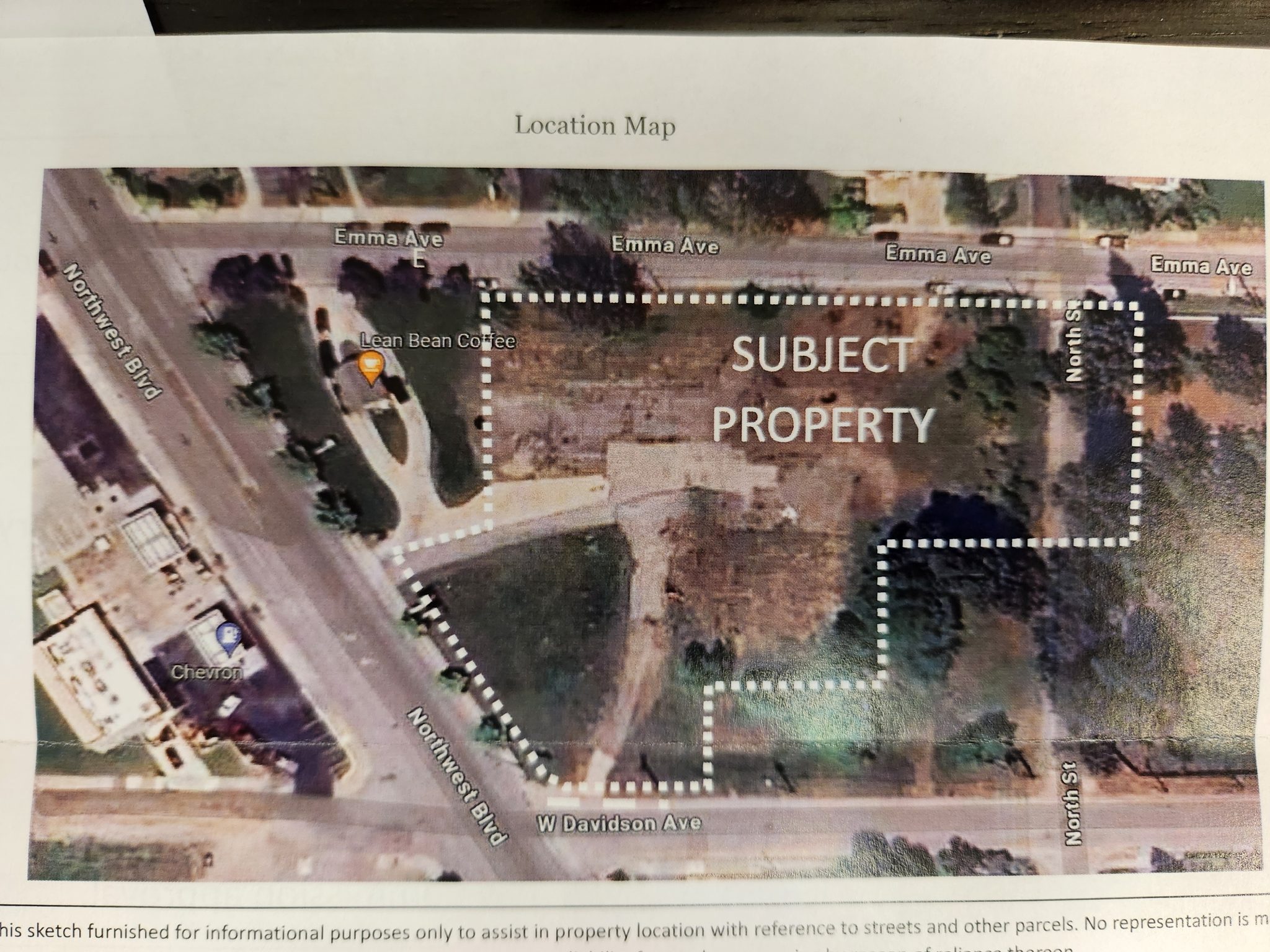
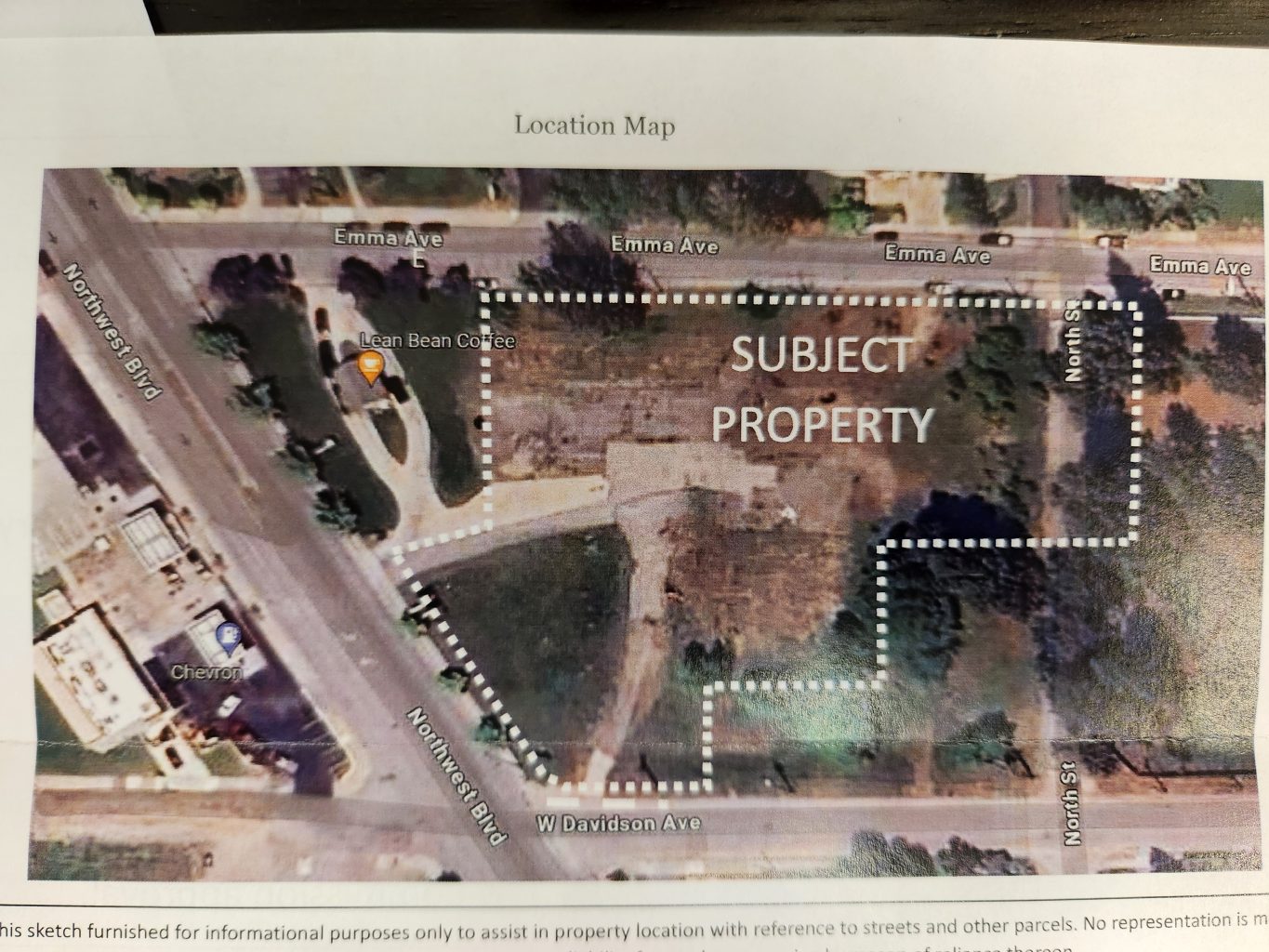
A four-story Residence Inn is proposed for Northwest Blvd between Emma Ave and W Davidson Ave. A public hearing will evaluate the proposal. The developer is CDA Hotel, LLC, which happens to be the same developer of the Marriott proposed on Sherman Ave.

The Irony of the NIMBY Mindset

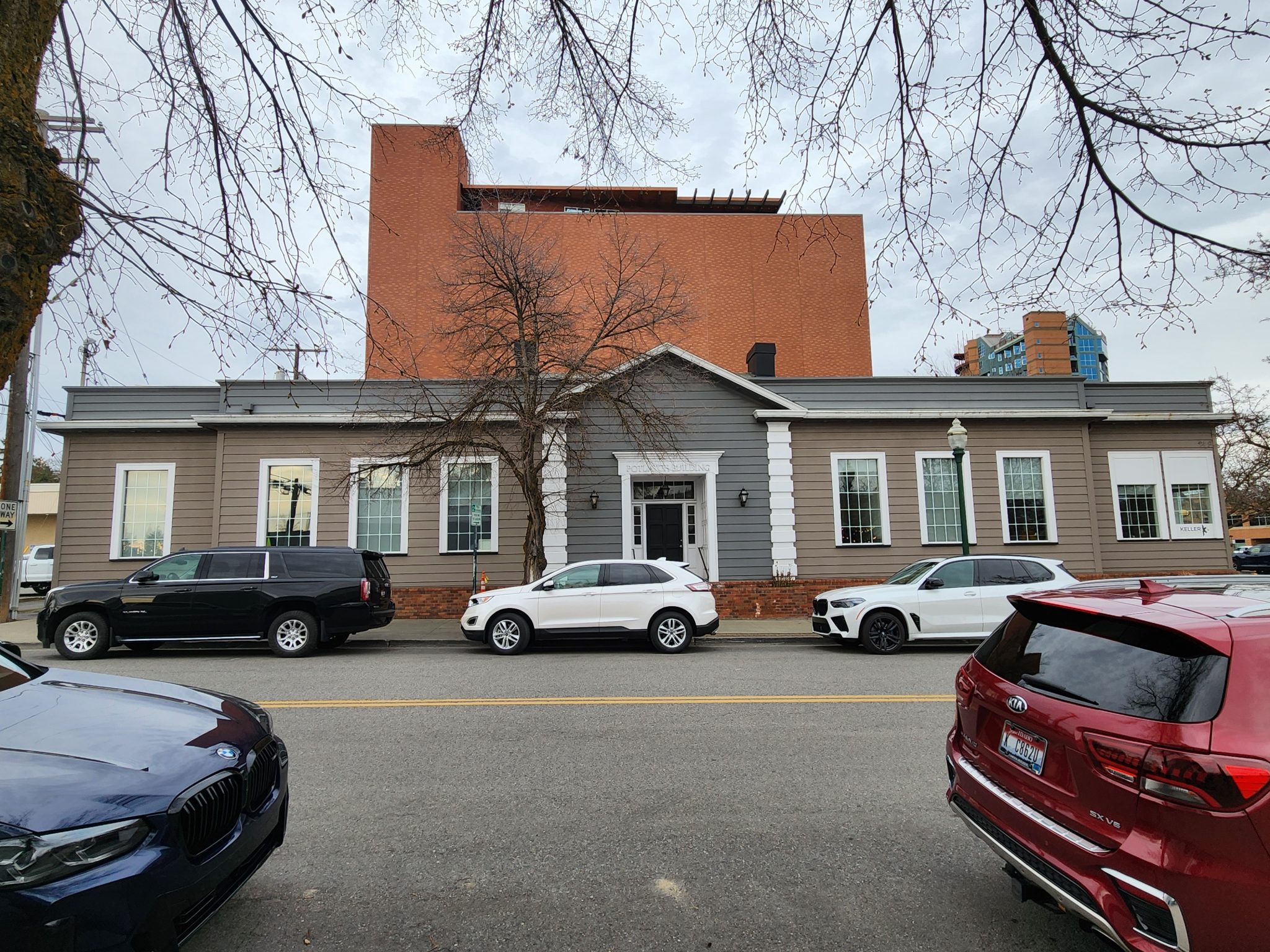
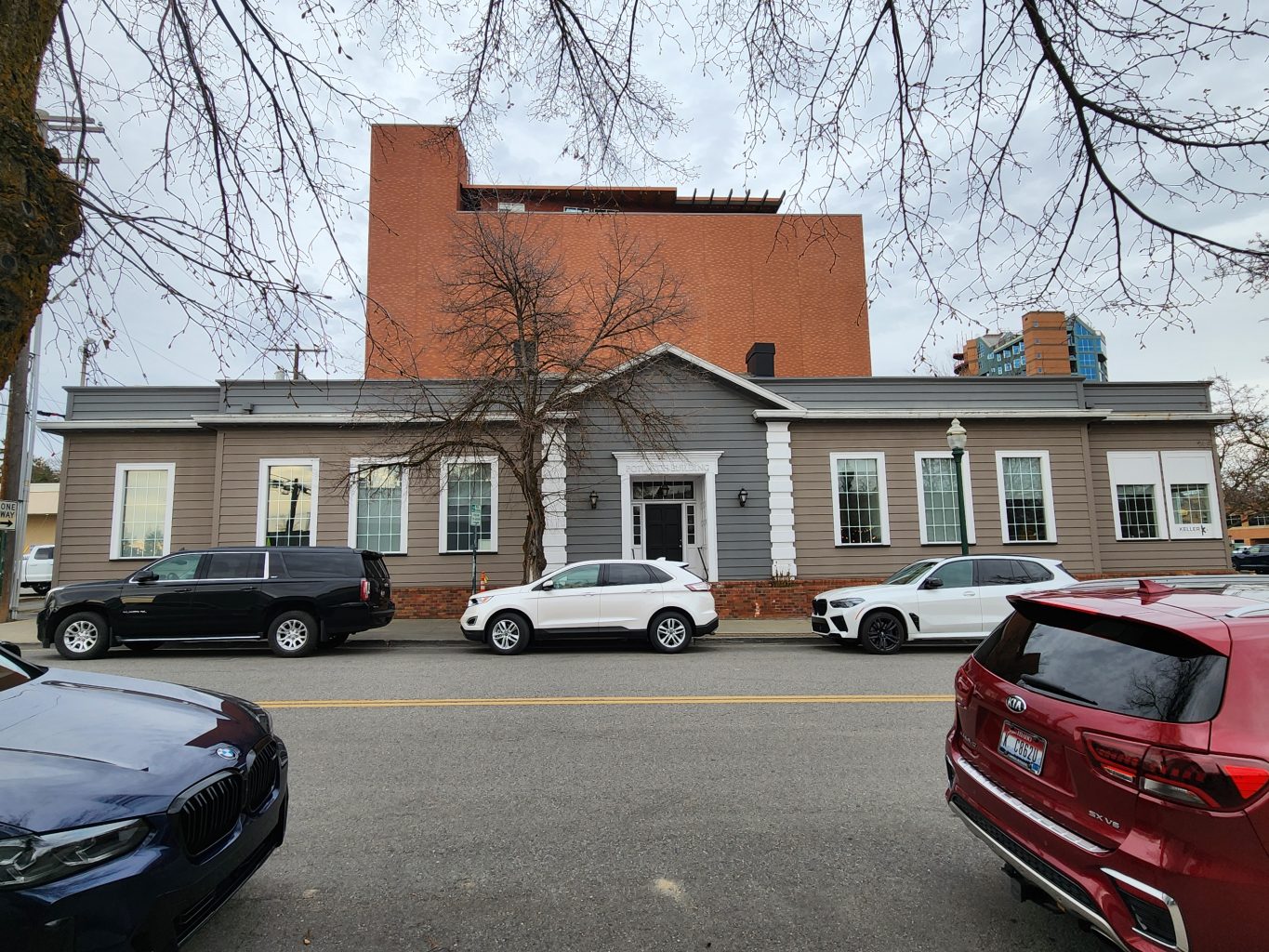
In 2005, concerned citizens in Coeur d’Alene worked to minimize height restrictions downtown. A Spokesman Review article, here, specifically stated the “proposal isn’t in response to a seven-story building planned for 609 E. Sherman between the Potlatch Building and a new office for Hatch Mueller.”

Our photo, nearly 20 years later, shows the condos towering over the Potlatch Building and the Mueller building in the distance.

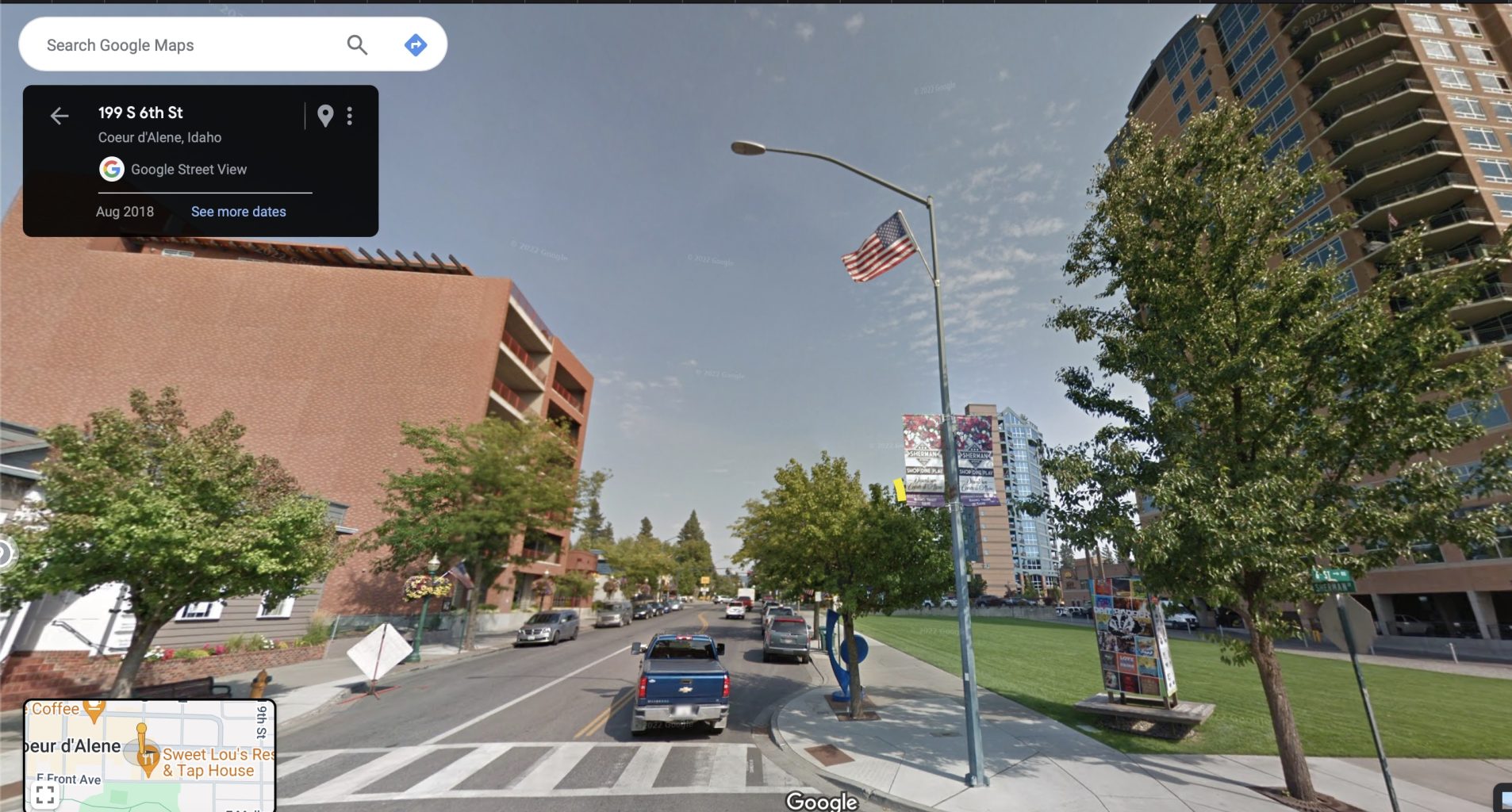
Twenty years after the condos and skyscrapers were built, condo residents oppose construction of a Marriott hotel in the empty lot across the street pictured below. City council tabled the issue for 90 days in order to modify hearing protocol to allow additional public testimony.

Mayor 90% Certain the Roosevelt Will Stand

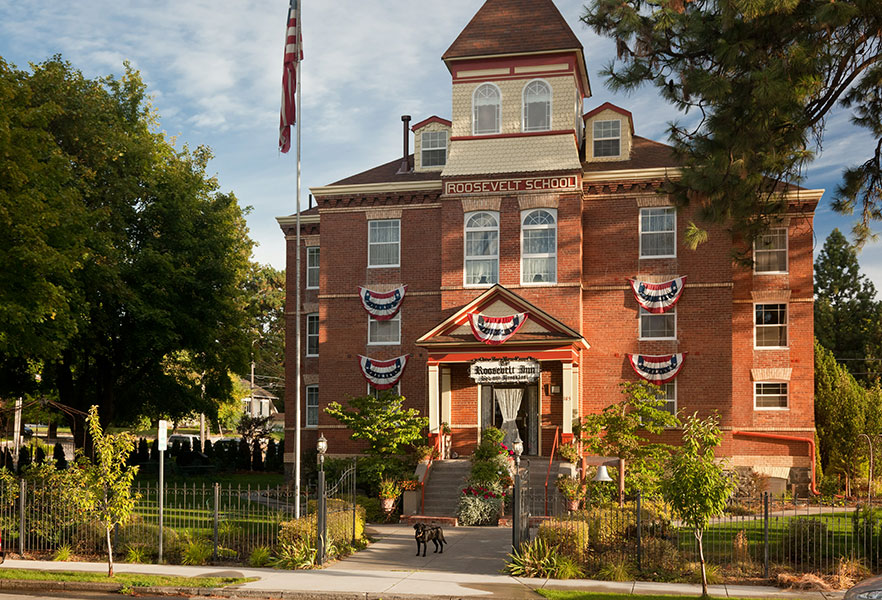
As city council meeting kicked off, Mayor Hammond shared news that he is “[ninety percent certain the Roosevelt isn’t going anywhere].” The community room, packed with citizens, erupted in applause. Mr. Hammond as apparently found another buyer for the property, a 1905 structure called The Roosevelt Inn, formerly the Roosevelt School, which was under contract and slated for demolition. Hammond stated the buyer has the funds and will [create a deed restriction] to protect the building in the long term. He did not divulge the name.

Thomas George Rising in Downtown

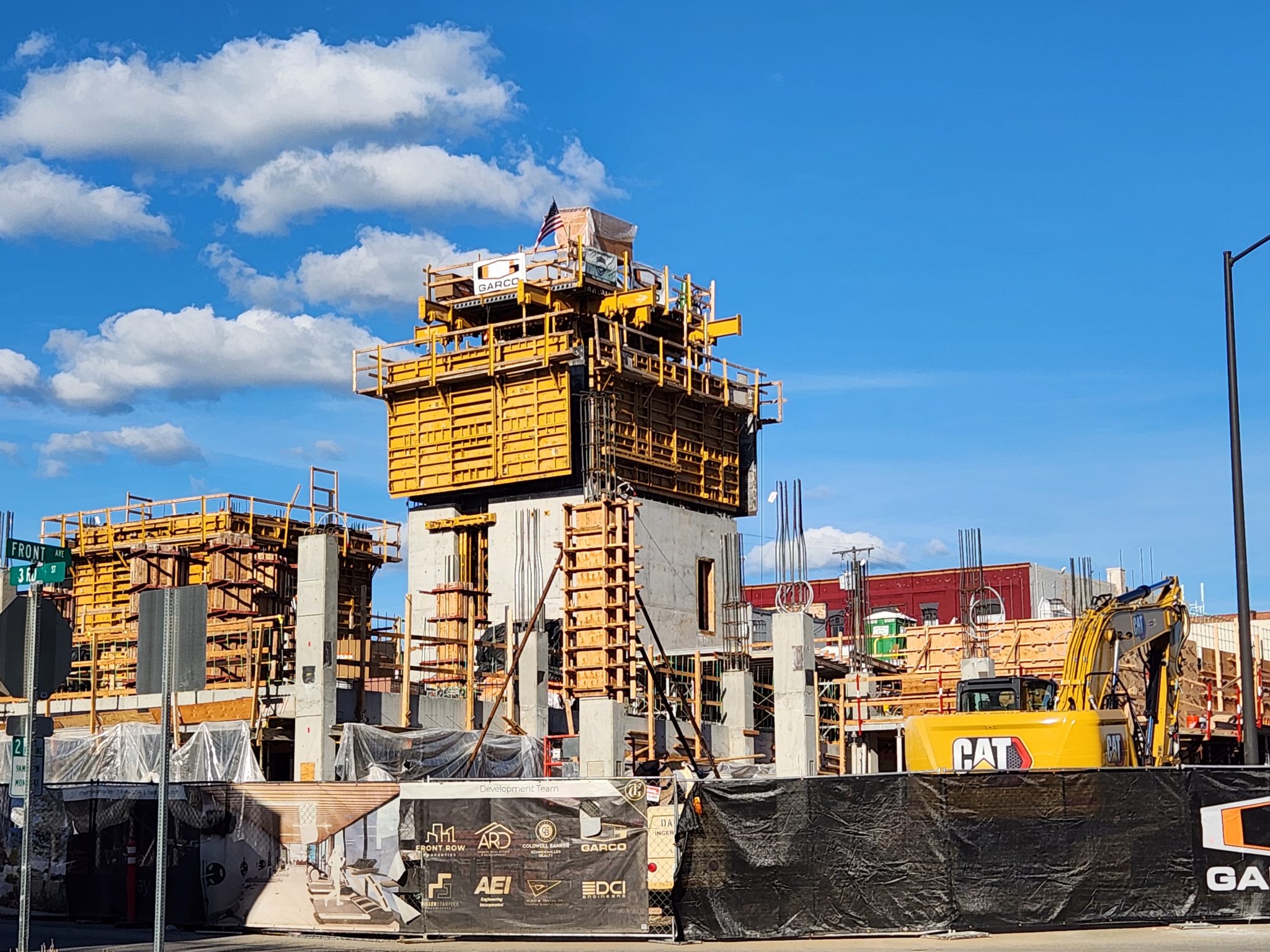
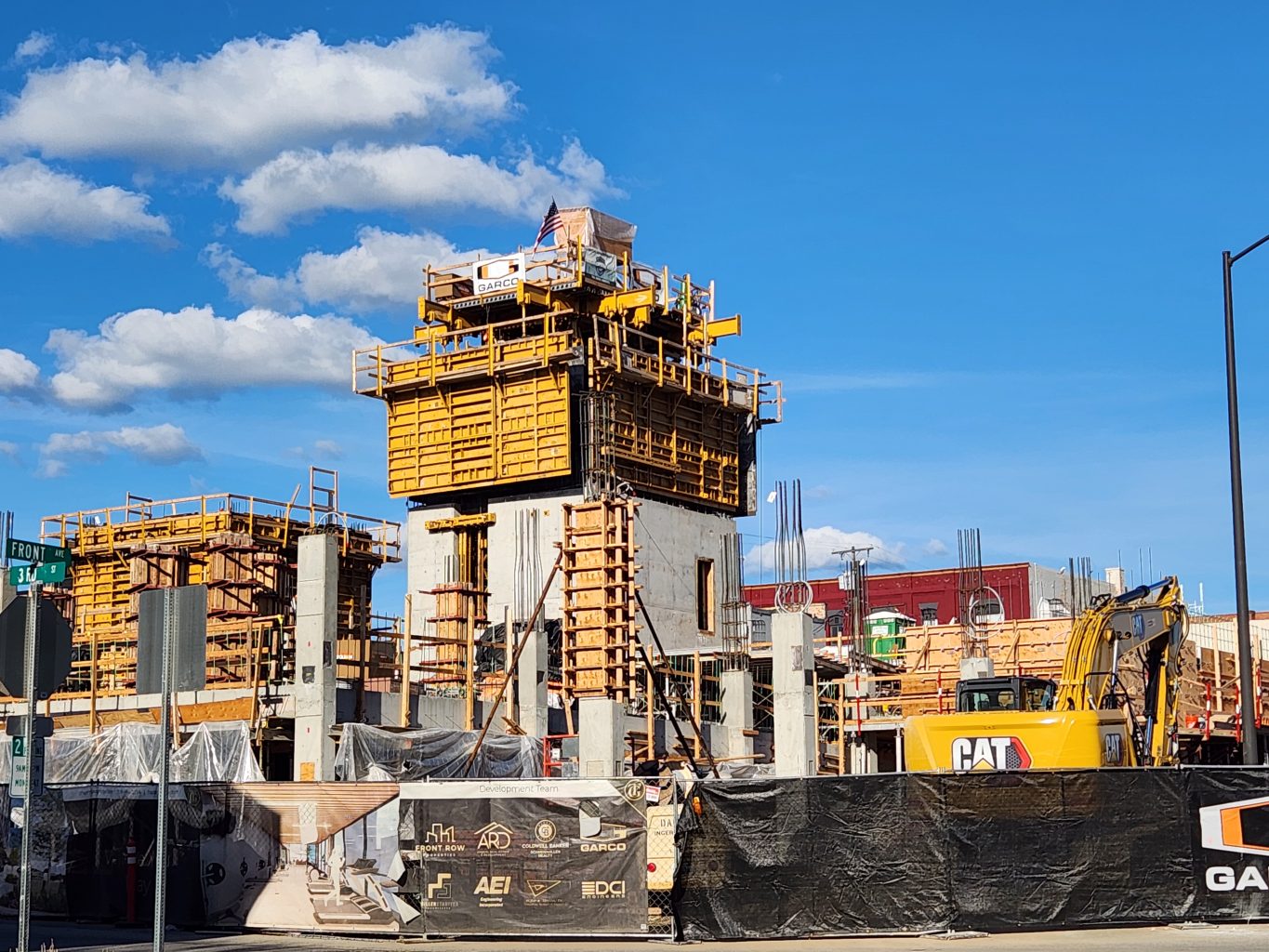
Our team photographed many stages of the construction project so far. Here’s the latest for those who don’t frequent downtown CdA.

The Thomas George condos in downtown CdA, on Front street, are slowly but surely rising into the skyline.

The Power of the Ballot

In the evolving landscape of democracy, one truth remains constant: voting is the cornerstone of societal progress. It’s not only a civic duty but a profound expression of individual agency and collective will. Yet, despite its significance, voter turnout often lags behind in the United States of America. For instance, in 2016 the voter turnout was only 59.2%(UC Santa Barbara). Here’s why casting your vote isn’t just the right thing to do, but also an act of empowerment.

First and foremost, voting is the essence of democracy in action. It’s the mechanism through which ordinary citizens assert their influence on the direction of their communities, regions, and nations. When you cast your ballot, you’re participating in a grand symphony of voices, each note contributing to the melody of governance. In a world where apathy and disillusionment can sometimes overshadow optimism, voting becomes a beacon of hope, illuminating the path towards a better tomorrow.

Moreover, voting is an assertion of your values and priorities. Each ballot represents not just a choice between candidates or policies but a reflection of your beliefs, aspirations, and concerns. By exercising your right to vote, you’re affirming your stake in the society you inhabit. Whether you’re advocating for environmental sustainability, social justice, or economic prosperity, your vote amplifies your voice, ensuring that your concerns are heard and heeded by those in power.

Furthermore, voting is a powerful tool for change. History is replete with examples of how the ballot box has been instrumental in driving transformative shifts in society. From suffragettes fighting for women’s rights to civil rights activists battling against racial discrimination, the act of voting has been a catalyst for progress. By casting your vote, you become an agent of change, contributing to the ongoing narrative of societal evolution and advancement.

Beyond its immediate impact, voting also serves as a block against tyranny and oppression. In democratic societies, the ballot box serves as a check on authoritarian tendencies, ensuring that power remains vested in the hands of the people rather than a select few. By participating in the electoral process, you’re upholding the principles of liberty, equality, and justice upon which democracy is built. In doing so, you’re not just safeguarding your own rights but those of future generations as well.

Voting is more than just a civic obligation; it’s a declaration of autonomy, a catalyst for change, and a safeguard against tyranny. In a world where the forces of division often seem insurmountable, the act of casting your ballot remains a beacon of hope, a testament to the enduring power of democracy. So, when the time comes, don’t just vote—embrace the spirit of democracy and let your voice be heard.

-N.P./A.K.

State of the City, 2024

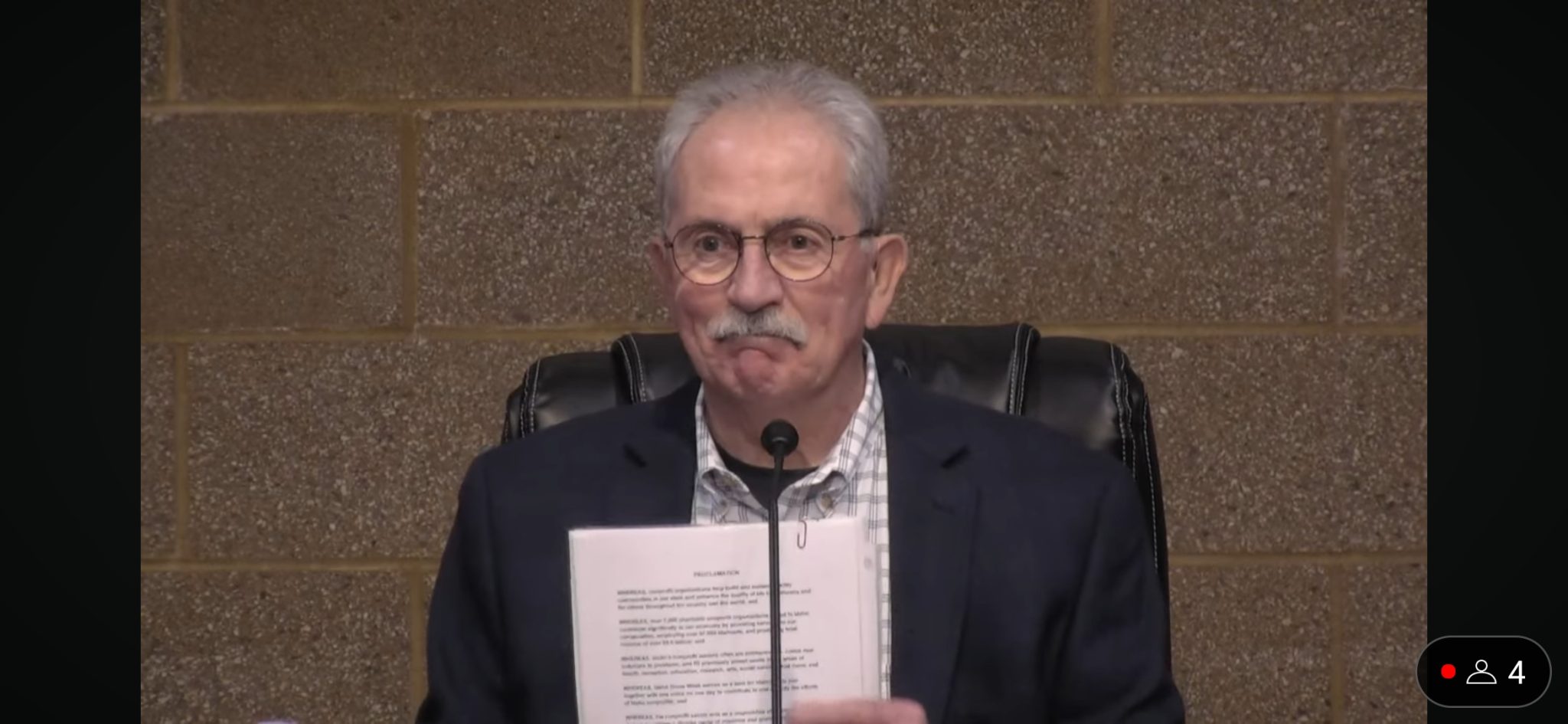
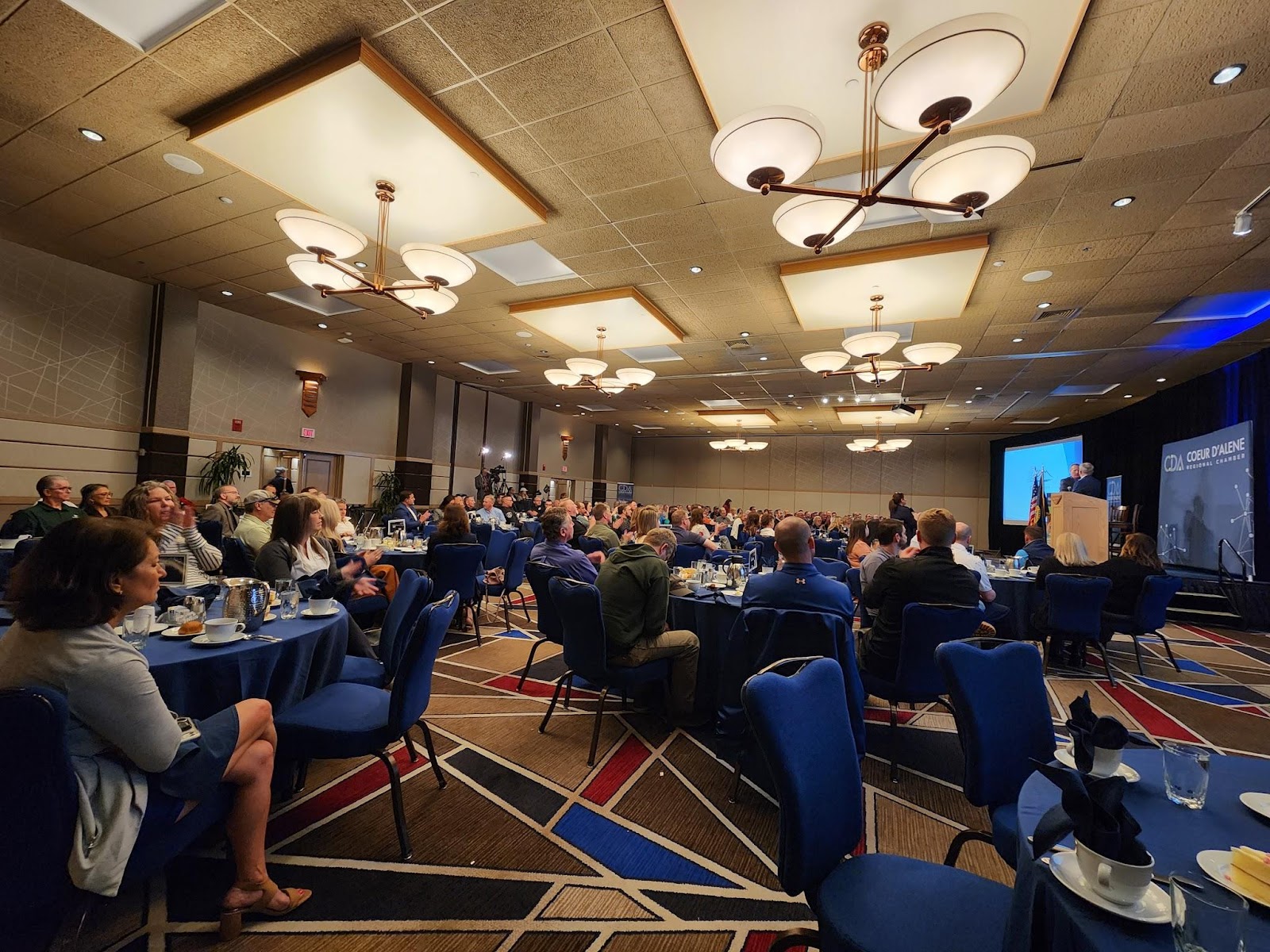
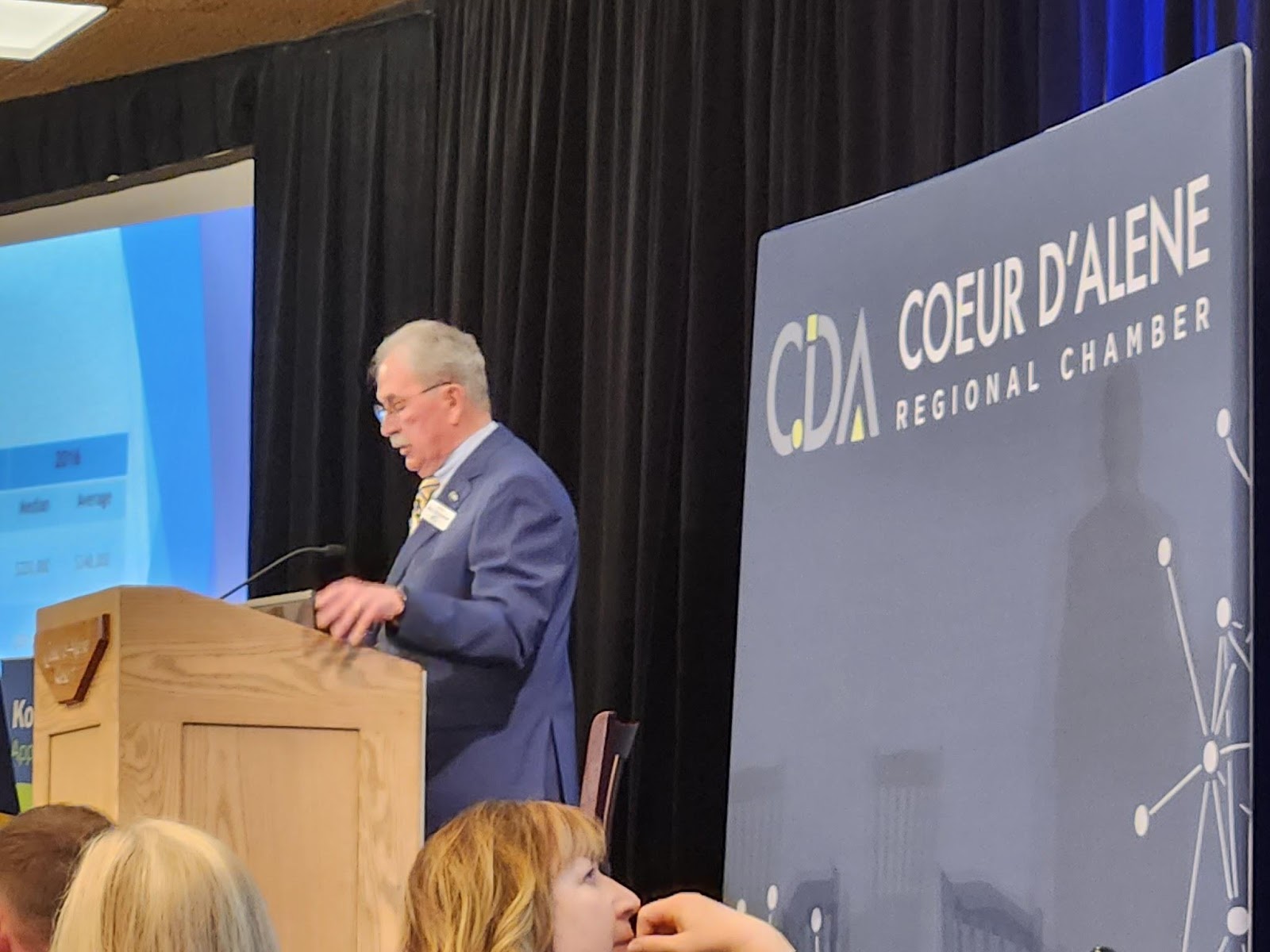
In front of a packed house, Mayor Jim Hammond delivered the 2024 State of the City Address.  Citing national awards and accolades including “2nd Best Performing Small City,” “Best Places to Live.” and “Safest Cities in Idaho,” Hammond stressed that things are good. Specific examples include a decrease in crime in spite of population growth and a vast reduction of phosphorus and ammonia discharged into the river. However, he noted, challenges in the city include the cost of housing, traffic, increased budgets resulting from higher costs of equipment and labor. 

Hammond stated the city is exploring ways to offset the housing crisis by increasing Accessory Dwelling Units (ADUs) and promoting the building of twin homes. However, he informed the crowd, the city would not enter into the subsidized housing market–likely referencing “Mt. Hink” at the Atlas Mill Site, which we discussed here. This is also at odds with previous statements from Councilmember Christie Woods.

He recently received the “Pillar of Idaho” award from Idaho Leaders United for standing up to extremism. In other city news: After a considerable lull, the city restarted invocations in January 2024, apparently never intending to let the change die on the vine, as we reported last year. 

Vote “No” on County Debt and Prairie “Plan”

Proponents tout the plan as a way to preserve the open space on the prairie. However, we urge you to vote no on this seemingly good idea. Why? Here are several reasons to vote “No.”

  • The county doesn’t have any contract for the purchase of land on the prairie.
  • This is a tax increase and a government intrusion into the private sector: real estate development.
  • Land costs a premium right now. 
  • Water is limited and the open space would need water to benefit the public. 
  • Cities and the county already control what type of developments can take place on lands under their jurisdiction. 
  • Precluding large swaths of land from development will increase the value/cost of developable land and subsequently contributing to increasingly unaffordable homes for median income households.
  • There is no plan! The verbiage calls for “scenic or recreational purposes,” but does not give any specifics.
  • The county cannot afford current needs and obligations. Rather than trying to buy land, the county should look at ways to fund prosecutor’s office construction, jail needs, and other issues. 
  • The bond rate of 3.7% is significantly lower than interest rates in a money market account and results in interest payments of nearly $22 million. 

Here is the text you will read on the ballot:

OPEN SPACE BOND ELECTION KOOTENAI COUNTY STATE OF IDAHO NOVEMBER 7, 2023

QUESTION: Shall Kootenai County, Idaho (the “County”), be authorized to issue and sell Open Space Bonds in the principal amount of up to $50,000,000 for the purpose of financing the purchasing and acquisition of public open-space land and/or easements for scenic and recreational purposes and development for public use (the “Project”), together with costs and expenses related thereto, the final installment of each bonds to fall due not later than twenty (20) years from the date of issuance thereof, all as provided in the Bond Election Ordinance No. 583 adopted by the Board of County Commissioners on July 18, 2023?

The interest rate anticipated on the proposed bond issue, based upon current market rates, is three and seventy hundredths percent (3.70%) per annum. The amount to be repaid over the life of the bonds, based on the anticipated interest rate, is $71,980,000, consisting of $50,000,000 in principal and $21,980,000 of interest. The term of the bonds will not exceed twenty (20) years from the date of issuance.

The estimated average annual cost to the taxpayer on the proposed bond is a tax of $8 per $100,000 of taxable assessed value based on current conditions.

As of November 7, 2023, the total existing indebtedness of the County, including interest accrued, is $0.00.

IN FAVOR OF ISSUING BONDS IN THE AMOUNT OF UP TO $50,000,000 FOR THE PURPOSE STATED IN BOND ELECTION ORDINANCE NO. 583

AGAINST ISSUING BONDS IN THE AMOUNT OF UP TO $50,000,000 FOR THE PURPOSE STATED IN BOND ELECTION ORDINANCE NO. 583